- Free Consultation 24/7: (773) 908-9811 Tap Here To Call Us


What’s Next for Long Grove Teen Who Pointed Fake Gun at Drivers?


As an attempted prank, a Mundelein teenager allegedly pointed a replica assault rifle at passing drivers while wearing the mask popularized in V for Vendetta. Although the rifle was a replica, he was arrested, transported to a juvenile detention center, and charged with three counts of aggravated assault.
What’s next for the alleged prankster, and how does the Illinois juvenile justice process work?
The Illinois juvenile justice system handles juvenile offenders on a case-by-case basis and can vary widely, but is comprised of four main steps, including police contact, juvenile justice intake, juvenile court, and placement.
Below, we’re going to go over each of them.
Police Contact
Police officers play a big role in deciding whether a youth will be admitted to the juvenile court system, or instead be released with a warning. A child may be questioned by the police, but recent changes to the juvenile justice system dictate that interrogation is not allowed for children under 13.
In general, police handle a case in one of four different ways:
- Street corner adjustment: Youth is issued a formal warning, but is not taken into police custody.
- Station adjustment: Youth is taken into police custody and issued a formal warning at the police station. A record is kept of the warning, and the youth can be given rules to follow. Failure to follow these rules can result in the case being referred to juvenile court.
- Police diversion: Youth agrees to services such as counseling or drug treatment instead of being referred to juvenile court.
- Formal complaint: Case goes to juvenile court.
Juvenile Justice Intake
When a case is referred to juvenile court, an intake assessment is made by police and the state’s attorney, who decide if the case should be dismissed, go to juvenile court, or be kept out of the juvenile justice system through diversion programs.
If there is insufficient evidence or if evidence was collected incorrectly, the state’s attorney may choose to dismiss the case. If the case is dismissed, the child is free to go, and no charges will be pressed.
If there is sufficient evidence that a juvenile crime was committed, charges may be filed. A charge against a child is known as a juvenile petition.
The state’s attorney may also choose to handle the case with a probation adjustment. This is similar to a station adjustment, but the youth’s adherence to the agreed-upon probation conditions is supervised by a probation officer.
Juvenile Court
If a juvenile petition is filed, a detention hearing is held within 40 hours of arrest to determine if the child must stay in a juvenile detention center until trial. The nature of the crime and the home support system of the child are considered.
The judge may offer the youth court supervision, which provides a final chance for charges to be dismissed. The youth must follow rules set by the court for up to two years, and be supervised by a probation officer.
Should the case go to trial, an adjudication hearing is held. Evidence is presented to the judge, who determines if the child is guilty. Before or during the trial, the youth is able to make a plea through his or her attorney. If the youth is found guilty, a disposition hearing is held to determine sentencing.
Placement
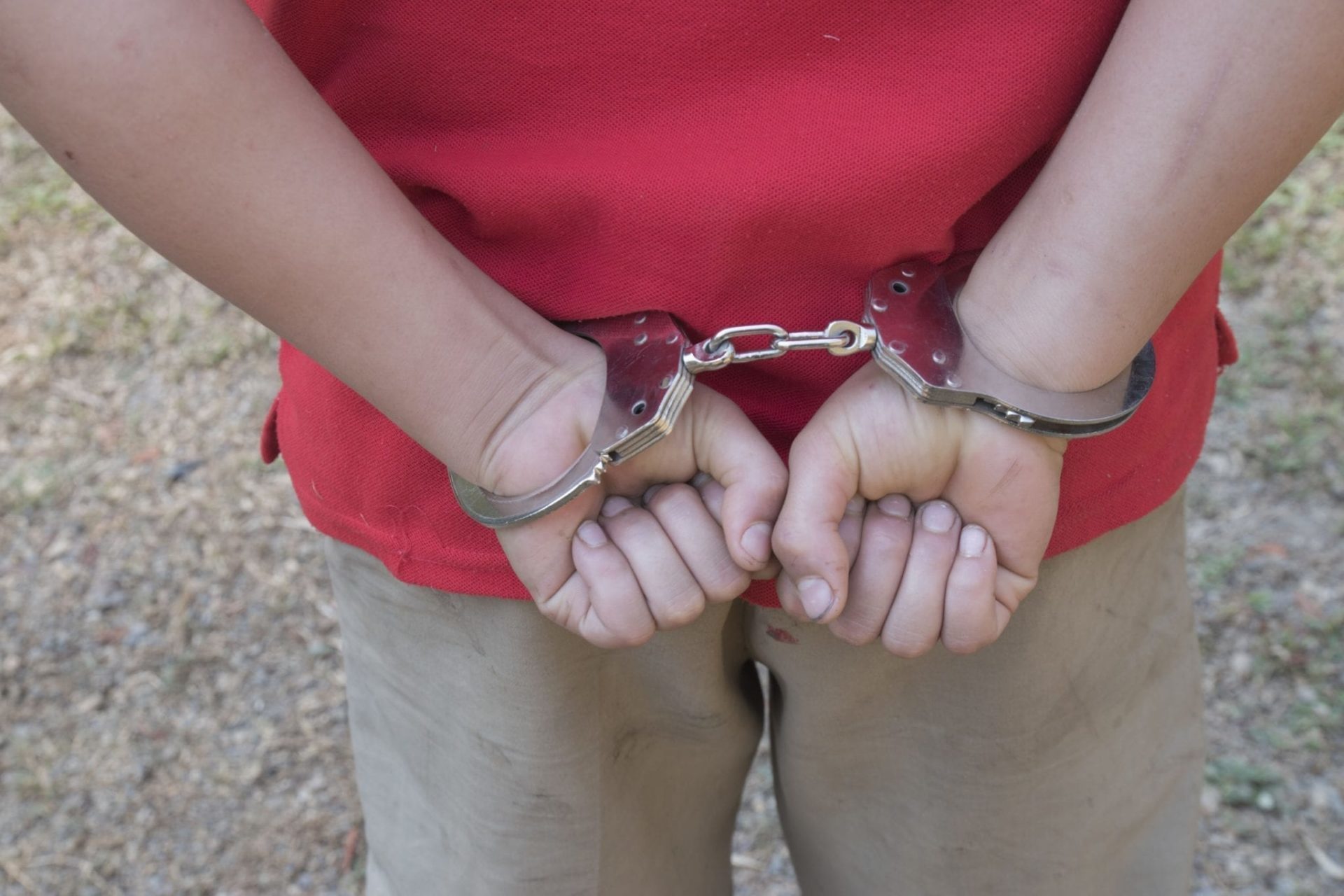
In some cases, the youth may be placed in the custody of the Illinois Department of Juvenile Justice (IDJJ). The youth may be placed in a residential treatment center, which is a therapeutic facility, or sent to a youth prison.
When a child is sent to youth prison, the sentence is “indeterminate.” The child can be held for any amount of time up to his or her 21st birthday. The IDJJ decides the length of time spent in detention based upon the nature of the crime and how the youth behaves while in custody.
As you can see, the process can be complicated and the consequences frightening. You do not have to deal with everything on your own. Get in touch with our office and we can set up a free initial consultation to talk about the facts of your case and what options you have available to you.
About the Author:
Andrew M. Weisberg is a former felony prosecutor who now serves as a defense attorney in the greater Chicago area. He has extensive experience in handling all types of criminal cases, from sex offenses and domestic violence to retail theft-related crimes, murder, and drug crimes.


