- Free Consultation 24/7: (773) 908-9811 Tap Here To Call Us


Police Can No Longer Search Your Cell Phone without a Warrant


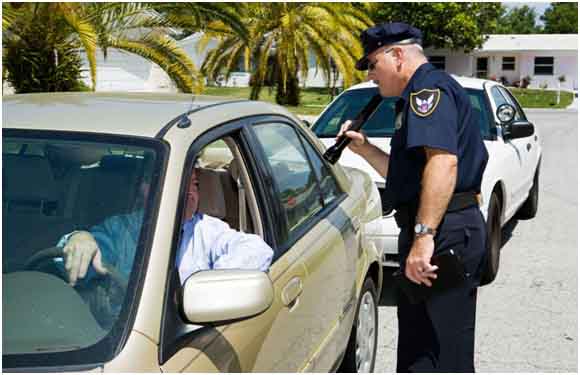
As a Chicago drug lawyer, I’ve seen plenty of cases where defendants’ cell phones have gotten them into more trouble than they bargained for. It is far from unheard of for an individual to get pulled over for something relatively minor only to find themselves behind bars because other incriminating evidence was found either in their car or on their person. Sometimes, a cell phone—and a police officer’s unwarranted search of that cell phone—is to blame.
However, according to a new Supreme Court ruling from June 25th, law enforcement officials will no longer be allowed to execute such searches of cell phones—at least not without a warrant. The ruling declares that if a cell phone is found on a person’s body during a pat down, police are now obligated to obtain a warrant before they search through it. The verdict was reached unanimously, with all nine Supreme Court justices agreeing that cell phones do not fall into the same category as wallets or vehicles, both of which can be searched to some degree by law enforcement officers without a warrant.
This is a ruling that may have wide-reaching implications for all kinds of criminal cases, potentially preventing things such as minor traffic violations exploding into charges for drugs or other kinds of crimes.
Why Was This Verdict Reached?
The Supreme Court ruling comes after two separate cases, in Massachusetts (in 2007) and California (in 2009), where two individuals were sentenced to 15-year and 22-year jail sentences, respectively, following evidence that police obtained from the suspects’ phones.
Now, seven years after the first of these cases, the Supreme Court has decreed warrantless cell phone searches to be unconstitutional. This verdict comes at a time when questions about the legal rights regarding personal privacy are more pervasive than ever. Though the right to privacy isn’t blatantly spelled out in the Constitution, in many situations the issue falls under the umbrella of “unreasonable search and seizure,” protection against which is granted in the Fourth Amendment.

When it comes to cell phones, a person’s privacy is always at risk. But cell phones also bring with them much more than questions of privacy—for some people, cell phones have become their personal databases. As CNN’s Senior Legal Analyst Jeffrey Toobin pointed out, “It’s not even accurate to call them phones anymore. They have text messages, they have Internet records, they have emails, they have photographs. There’s more information in your phone about you than there probably is in your apartment.” Given this, the Supreme Court justices agreed that it’s only fair that police be required to present a warrant before going through something that could be so revealing.
The ruling stated further that, “The fact that technology now allows an individual to carry such information in his hand does not make the information any less worthy of the protection for which the Founders fought. Our answer to the question of what police must do before searching a cell phone seized incident to an arrest is accordingly simple—get a warrant.”
What Does This Mean for You?
In addition to protecting the privacy of citizens, the new Supreme Court ruling will also impact the way cases are handled and what sort of evidence will be considered valid.
Prior to this ruling, an individual could have been pulled over in Chicago for a relatively minor infraction only to find him or herself behind bars for a crime that had nothing to do with the current infraction. To a certain extent, this new ruling helps prevent specifically those situations from taking place. While acknowledging that a person’s cell phone is extremely private and can be incredibly revealing, the new law also keeps legal accusations from escalating so excessively.
But the Supreme Court was clear about the fact that this new ruling does not apply to other objects that may be found on a person during a pat down, such as wallets, cigarette cartons, or other miscellaneous items. These items can still be searched without a warrant. Additionally, the Supreme Court emphasized that pat downs are still perfectly allowable in the interest of officers’ safety and the preservation of evidence.
And just because police officers are now required to obtain a warrant before searching your phone does not mean that it will be particularly difficult for them to do so. In fact, the advantages of technology work both ways—new technology could enable police to obtain warrants in mere minutes. There was also no word on whether or not this new verdict will have any impact on cases whose convictions came about as results of warrantless cell phone searches.
So while the new law does protect citizens’ rights to a certain extent, there are limitations to how far it can go. To fully understand the range of implications that this new ruling may have for you, call an experienced Chicago criminal lawyer today.
About the Author: Andrew M. Weisberg is a former felony prosecutor who now serves as a defense attorney in the greater Chicago area for the Law Offices of Andrew Weisberg. He has extensive experience in handling all types of criminal cases, from sex offenses and violent crimes to theft-related crimes and traffic violations.


