- Free Consultation 24/7: (773) 908-9811 Tap Here To Call Us


Bears CB Charged with Resisting Arrest for Spitting at Officers


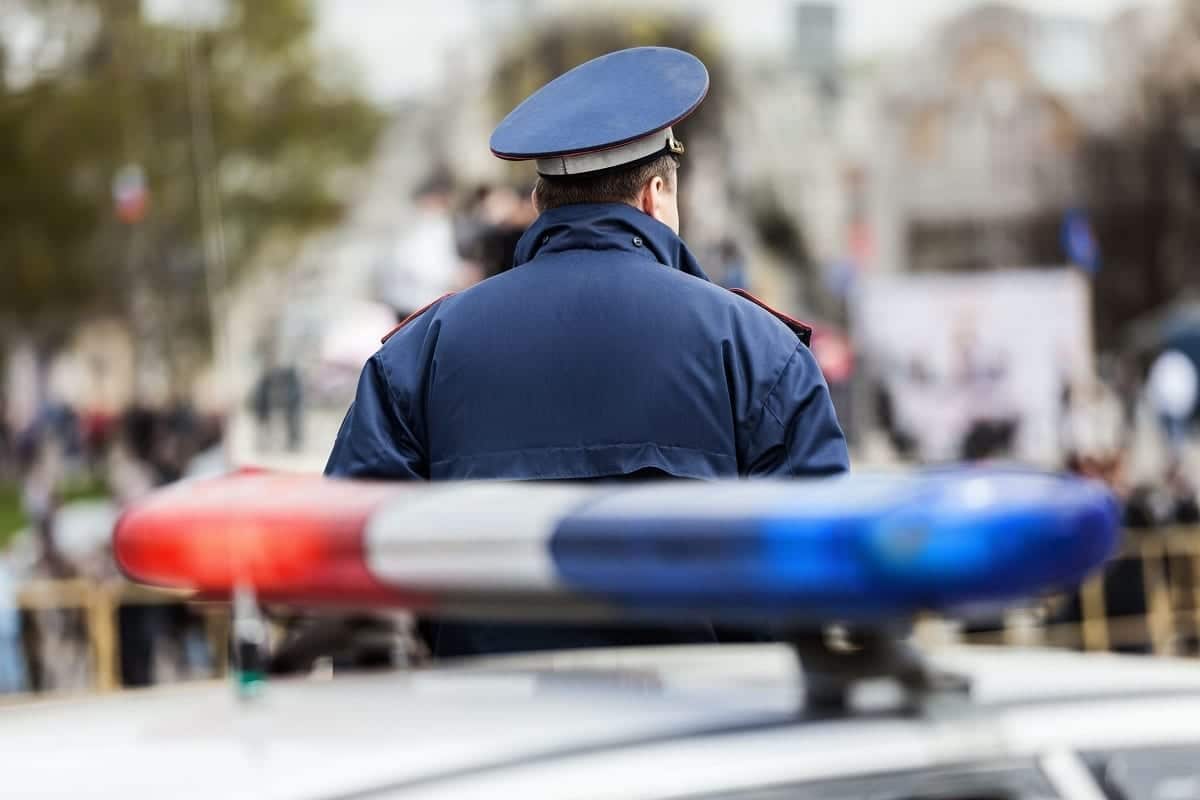
Confrontations with the police can be tricky, especially after reading stories where officers overstep their bounds and use unnecessary force or make false arrests. However, you could be forgiven for thinking “don’t spit on police officers” is an obvious piece of advice.
Apparently, Chicago Bears cornerback Deiondre’ Hall missed that memo. In late March, after doing just that, Hall ended up getting tasered in the leg and arrested for multiple misdemeanors.
Officers confronted Hall, 22, around 1 A.M. on a Saturday night after a disturbance was reported at Sharky’s Funhouse. Hall was allegedly cursing and yelling at staff and customers at the bar. Hall was defiant when the officers approached him, and allegedly spit in the face of the officers as they tried to arrest him.
At one point, officers attempted to put him in the back of the police car, and upon his resistance, tasered him in the left leg. Police noted that Hall had bloodshot eyes and was slurring his speech. He refused to take a Breathalyzer.
Hall was cited for public intoxication, disorderly conflict for fighting, and interfering with official acts (resisting arrest). He has since been released on bail.
What Is Considered “Resisting Arrest” in Illinois?
Under Illinois law, resisting arrest, also known as obstruction or interference of justice, doesn’t have to involve spitting on officers, or even physical contact. Any of the following could be considered acts of resisting arrest:
- Intentionally acting in a way to hinder the arrest
- Acting or threatening to act violently toward an officer
- Arguing in a loud or threatening manner
- Attempting to flee the scene
Unfortunately, when people find themselves in a stressful situation, our “fight or flight” instincts can kick in and we may act without conscious thought. When dealing with a police officer, both of these instincts can get you saddled with a resisting arrest charge.
What If the Arrest Isn’t Lawful?
It is legal to resist an unlawful arrest, but you will have to be sure that the arrest is unlawful to have a legitimate case and have your charges dropped.
In order to make a lawful arrest, officers need probable cause. Probable cause is a measure that determines the likelihood that an individual committed a crime, but it is not always the clearest measurement.
An officer smelling marijuana around you or your car, or other similar observations can establish probable cause. Probable cause can also be established after a police officer receives witness testimony pointing the blame at someone, even if no other sources have been checked. Bottom line? Even if an arrest seems unfair, it may technically be lawful.
Regardless of whether or not you know you are innocent, if probable cause is present, an officer still has the right to put you under arrest. More evidence will be necessary to secure charges or a conviction, but in the moment you are being arrested, probable cause is all that is needed.
Know Your Rights
Every citizen should review their rights when it comes to law enforcement confrontations and what happens after an arrest or charge. The Sixth Amendment, for example, gives everyone accused of a crime the right to legal counsel.
That means, if you have been arrested or charged for a crime, you have the right to a lawyer. Talk to a Chicago criminal defense attorney to learn more about your rights and opportunities after being charged.
About the Author: Andrew M. Weisberg is a former felony prosecutor who now serves as a defense attorney in the greater Chicago area. He has extensive experience in handling all types of criminal cases, from sex offenses and domestic violence to retail theft-related crimes, murder, and drug crimes.


