
Aggressive. Experienced.
Former Cook County Felony Prosecutor
Former Cook County Felony Prosecutor
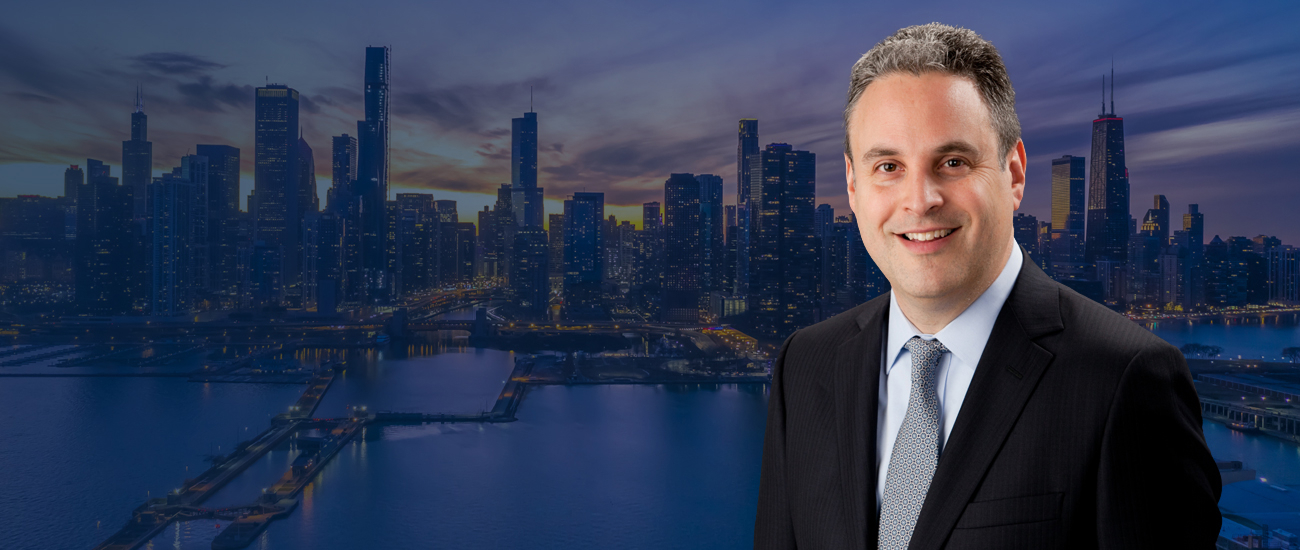


When you’re facing criminal charges in Chicago, there is no room for mistakes. Your freedom, reputation, and future may all be at risk. Whether you have been arrested, are under investigation, or believe charges may be filed soon, having the right criminal defense attorney can make all the difference. At the Law Offices of Andrew M. Weisberg, clients receive experienced and determined representation designed to protect their rights and achieve the best possible outcome. Andrew Weisberg has 30 years of experience as both a prosecutor and criminal defense attorney. Most importantly, it will be Andrew Weisberg himself that represents you at every stage of the criminal justice process. Unlike many other law firms, Mr. Weisberg will not send a young associate to court. Andrew will personally be next to you from start to finish.
Being accused of a crime can be overwhelming. Many people have never dealt with the criminal justice system before and do not know the arrest process or what follows. Police investigations move quickly, prosecutors begin building their case immediately, and early decisions can affect the entire direction of a case. The sooner you have a skilled defense attorney involved, the better positioned you will be to protect yourself and your future. It is important to know what happens after an arrest and what to do if you are arrested in Cook County or a family member is arrested.
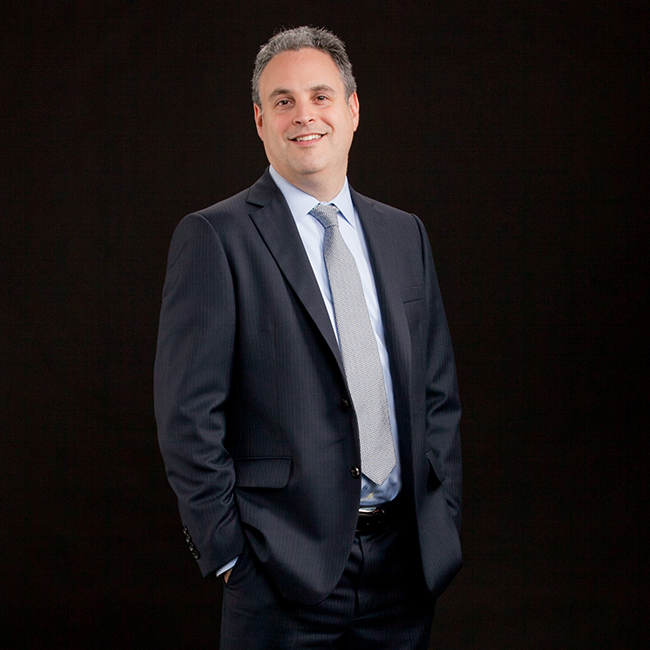
Andrew M. Weisberg is a Chicago criminal defense attorney who provides personal, focused representation to individuals accused of crimes throughout Chicago and Cook County. As a former Cook County felony prosecutor, he understands how the State prepares cases and what strategies prosecutors rely on to obtain convictions. He uses that knowledge to anticipate the prosecution’s approach and develop effective defenses tailored to each client’s situation.
Why Choose Andrew M. Weisberg?
• As a former Cook County felony prosecutor, he understands how the other side thinks and prepares its cases.
• He is both a skilled negotiator and an accomplished trial lawyer.
• He is a well-known and highly respected voice in the legal community.
• He strives to make himself available and accessible to clients.
• He is detail-oriented, persistent, and aggressive in defending his clients.
• He is committed to achieving the best possible outcome in every case.
• HE GETS RESULTS.
There are certain qualities that separate an effective criminal defense attorney from the rest. You need a lawyer with a strong command of the law and substantial real-world experience handling the same types of charges you are facing. Criminal defense requires careful preparation and close attention to detail, because even small facts or legal issues can make a significant difference in the outcome of a case. Just as important is clear and honest communication. A good defense attorney not only understands the legal process but also takes the time to explain it, helping clients understand what to expect and guiding them through each stage with confidence. Reputation also plays an important role. The most respected defense attorneys earn the trust of judges, prosecutors, and clients through consistent preparation, professionalism, and proven results.
Andrew M. Weisberg exemplifies these qualities. Over the course of his career, he has built a strong reputation as a knowledgeable and dedicated criminal defense attorney who is committed to achieving the best possible outcomes for his clients. His work has earned recognition from respected legal organizations, including an A+ rating from the Better Business Bureau. He has also been recognized among the Top 100 Trial Lawyers and the Best Criminal Defense Lawyers in Chicago. These honors reflect not only his legal ability, but also his professionalism and the results he has achieved on behalf of the people he represents.
Andrew M. Weisberg’s reputation as a knowledgeable and respected criminal defense attorney has led to frequent appearances as a legal analyst in the media. He has been called upon as a legal expert by ABC 7 Chicago, as well as national outlets including CNN, where he has provided insight on significant criminal cases and legal developments. He has also appeared on WTTW and has been quoted in newspapers and media publications across the country. These appearances reflect the confidence that journalists and producers place in his judgment and experience, and they demonstrate the depth of knowledge he brings to every case he handles.
Perhaps the most defining aspect of Andrew M. Weisberg’s career is his experience as a Cook County felony prosecutor, where he handled serious criminal matters at multiple stages of investigation and prosecution. Early in his career, he worked in the Felony Review Unit, where he evaluated major criminal investigations as they developed. In that role, he worked closely with detectives and law enforcement officers, reviewing evidence, advising investigators, and making charging decisions in serious felony cases. This experience gave him a firsthand understanding of how criminal cases are built from the earliest stages, often long before a case ever reaches the courtroom.
He later served in the Grand Jury Division, where he worked to secure indictments in some of the most serious cases prosecuted in Cook County. Much of his work involved preparing and presenting cases for indictment in matters involving homicide and sexual offenses. This work required careful analysis of witness testimony, investigative reports, and physical evidence, as well as a clear understanding of what would ultimately be required to prove a case in court.
Andrew M. Weisberg also spent years working as a felony trial prosecutor at the Criminal Courts Building at 26th and California in Chicago, where he handled a wide range of serious felony prosecutions from beginning to end. As a trial lawyer, he prepared cases for hearings and trial, examined witnesses in court, negotiated with defense attorneys, and presented evidence before judges and juries. This experience gave him substantial courtroom experience and a practical understanding of how felony cases are litigated in Cook County courts on a daily basis.
By the time he left the State’s Attorney’s Office, Andrew M. Weisberg had gained a wealth of knowledge, practical experience, and professional relationships that continue to benefit his clients today. He developed a deep understanding of how prosecutors evaluate cases, what types of evidence they consider most persuasive, and the legal strategies they rely upon to build their cases. He also learned to recognize weaknesses in criminal investigations and to identify opportunities where a well-prepared defense can make a meaningful difference.
As a Chicago criminal defense attorney, Andrew M. Weisberg draws on his experience as a former Cook County felony prosecutor to give his clients a meaningful advantage. He understands how the State builds its cases and what strategies prosecutors rely on to secure convictions. This insight allows him to anticipate the prosecution’s approach and develop defenses designed to challenge the State’s evidence and expose weaknesses that might otherwise go unnoticed. By carefully analyzing the facts of each case, including police reports, witness statements, and plea offers, he is able to assess the strength of the prosecution’s position and identify opportunities to pursue reduced charges, favorable resolutions, or dismissals when appropriate.
His years as a prosecutor also provided him with valuable familiarity with the procedures and practices of the criminal justice system in Cook County. He understands how investigations are conducted, how charging decisions are made, and how cases move through the courts. This background helps him recognize when mistakes have been made and allows him to navigate the system efficiently in order to uncover information that can strengthen the defense.
Clients who work with Andrew M. Weisberg receive personal attention and straightforward guidance from the beginning of their case through its resolution. He takes the time to answer questions, explain the legal process, and help clients understand the choices they face. By outlining realistic expectations and practical strategies, he helps clients make informed decisions about their defense at every stage of the case.
Most importantly, Andrew M. Weisberg combines extensive knowledge of the law with years of courtroom experience and a determined approach to defending his clients. His goal in every case is to protect his clients’ rights and pursue the best possible outcome for their future.
If you are under investigation or have recently been arrested, time is critical. As soon as you become aware that law enforcement may be looking into you, it is important to contact Chicago criminal defense attorney Andrew M. Weisberg. Prosecutors begin building their case right away, and what happens during the first hours or days can have a significant impact on the final outcome. Having an experienced attorney involved early helps ensure that your rights are protected when it matters most. Andrew handles all kinds of criminal cases including, sex crimes, domestic violence, retail theft, weapons charges and all other felony and misdemeanor cases.
He will work to ensure that your rights are protected at every critical stage of your case. Most people have only a basic understanding of their constitutional rights and are unsure of what police officers are and are not permitted to do. From the moment you hire him, Mr. Weisberg focuses on making sure that your interactions with law enforcement are handled properly and that your rights are preserved throughout the process. His experience as both a prosecutor and defense attorney gives him valuable insight into how cases are investigated and charged, allowing him to identify and address potential rights violations before they can damage your defense.
By guiding you step by step in your interactions with law enforcement. The familiar warning that “anything you say can and will be used against you” is not just a television phrase — it is a reality that can have serious consequences. In the stress of an arrest or police questioning, even well-intentioned or innocent statements can later be interpreted in ways that harm your case. Andrew M. Weisberg advises clients on how to handle contact with investigators, helping them understand what to say — and what not to say — and, when appropriate, communicating directly with law enforcement on their behalf to avoid unnecessary risks.
By conducting a thorough investigation to give you an advantage in court. In many criminal cases, the strength of the defense depends on the quality of the investigation. Important evidence such as surveillance footage, phone records, and witness recollections can quickly become unavailable if they are not preserved in time. Mr. Weisberg works promptly to identify, secure, and evaluate evidence that may support your defense. His understanding of how prosecutors build cases and how juries evaluate evidence allows him to develop defenses that are grounded in reliable and well-documented proof.
By locating critical witnesses to support your defense. Witnesses can play an important role in establishing what actually occurred. An alibi witness may be able to confirm that you were somewhere else at the time of the alleged offense. Other witnesses may have observations that differ from the police account and support your version of events. Friends, family members, and coworkers can also provide meaningful background information about your character and stability. Drawing on years of courtroom experience, Andrew M. Weisberg knows how to identify credible witnesses, obtain their cooperation, and present their testimony effectively.
By working with qualified expert witnesses when necessary. In some cases, expert testimony can be an important part of a strong defense. Andrew M. Weisberg has experience working with specialists in areas such as forensic science, psychology, digital analysis, and medicine to evaluate evidence and identify weaknesses in the prosecution’s case. When expert analysis is appropriate, he knows how to use it effectively to challenge the State’s evidence and strengthen the defense.
Ultimately, the goal in a criminal case is not to eliminate every possible doubt, but to demonstrate that the prosecution cannot meet its burden of proof beyond a reasonable doubt. Through careful case preparation, thorough analysis, and effective advocacy, Andrew M. Weisberg works diligently to challenge the State’s case and pursue the most favorable outcome possible for each client.
If you are facing criminal charges or believe you may be under investigation, early legal representation can make a critical difference. Andrew M. Weisberg provides experienced criminal defense representation throughout Chicago and Cook County and will personally handle your case from beginning to end.
Contact Andrew M. Weisberg for a free consultation at (773) 908-9811 or complete the online contact form for a free case review.
30 Years of Experience in Criminal Law
Former Cook County Felony Prosecutor
Thousands of Criminal Cases Handled in Cook County Court
Direct Access to Attorney Andrew Weisberg
Strategic and Thorough Defense Preparation
Proven Results for Clients in Chicago and Cook County
Andrew is one of the best attorneys I have ever worked with. Very professional and talented, compassionate, trustworthy who is always looking to get the best possible outcome for you. He communicates things...
I am extremely grateful for Andrew, who skillfully reduced my felony charge to a misdemeanor. He was professional, attentive, and kept me informed every step of the way. His dedication and expertise truly made...
Beyond an incredible experience! Andrew is kind, caring, knowledgeable and honest. He handled my case with ease and made sure I understood every step of the process. He was available to me to chat anytime I had...
Andrew was a fantastic support as he helped navigate a stressful situation. His communication skills and attention to detail provided me with the confidence that the case would be settled quickly and favorably...
Andrew is very personable and easy to speak with. He is a very knowledgeable attorney. I was able to contact him with questions, even after hours he would reply. His relationship with the prosecuting attorneys...
How Text Messages and Social Media Are Used in Illinois Sex Crime Cases Most people do not think twice about sending a text message or replying to someone on social media. Digital communication is now part of daily life...
Understanding Chicago’s Gang Enhancement Laws and Criminal Penalties Gang enhancement laws in Chicago carry significant legal consequences for individuals involved in crimes connected to gang activity. These laws...
What to Expect During Police Questioning in Chicago Criminal Cases Police questioning is never easy, but knowing your rights can protect you from self-incrimination. At the Law Offices of Andrew Weisberg, our...
When you need a skilled and respected Chicago criminal defense attorney with the insight and experience of a former Cook County prosecutor.


